
Mohenjo-daro
Larkana District, Sindh
On video
Mohen Jo Daro — Documentary, February 2026 by Directorate General of Antiquities & Archaeology on YouTube. Not ours, and not an endorsement — it is the clearest look at the drive and the valley we could find.
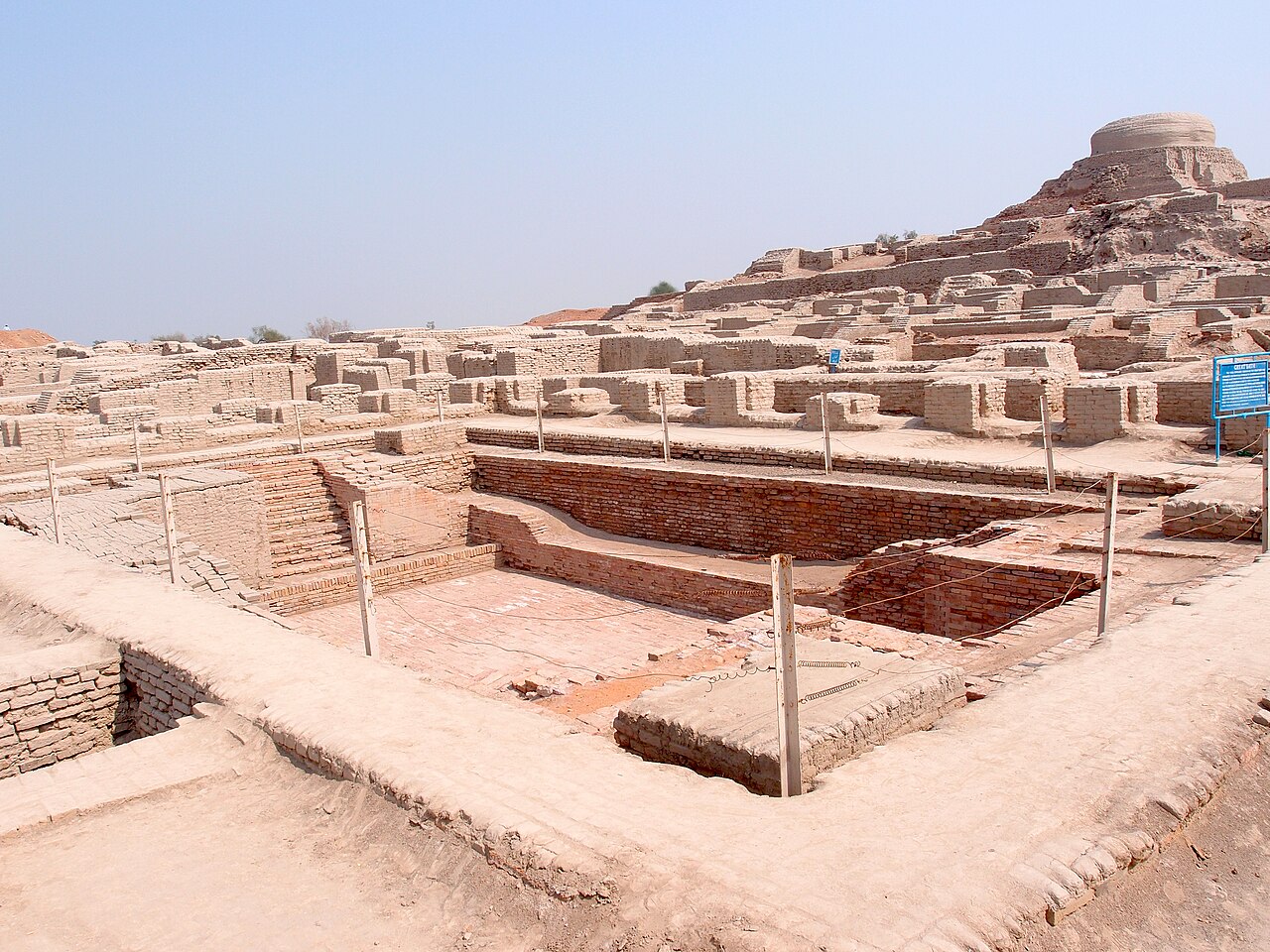
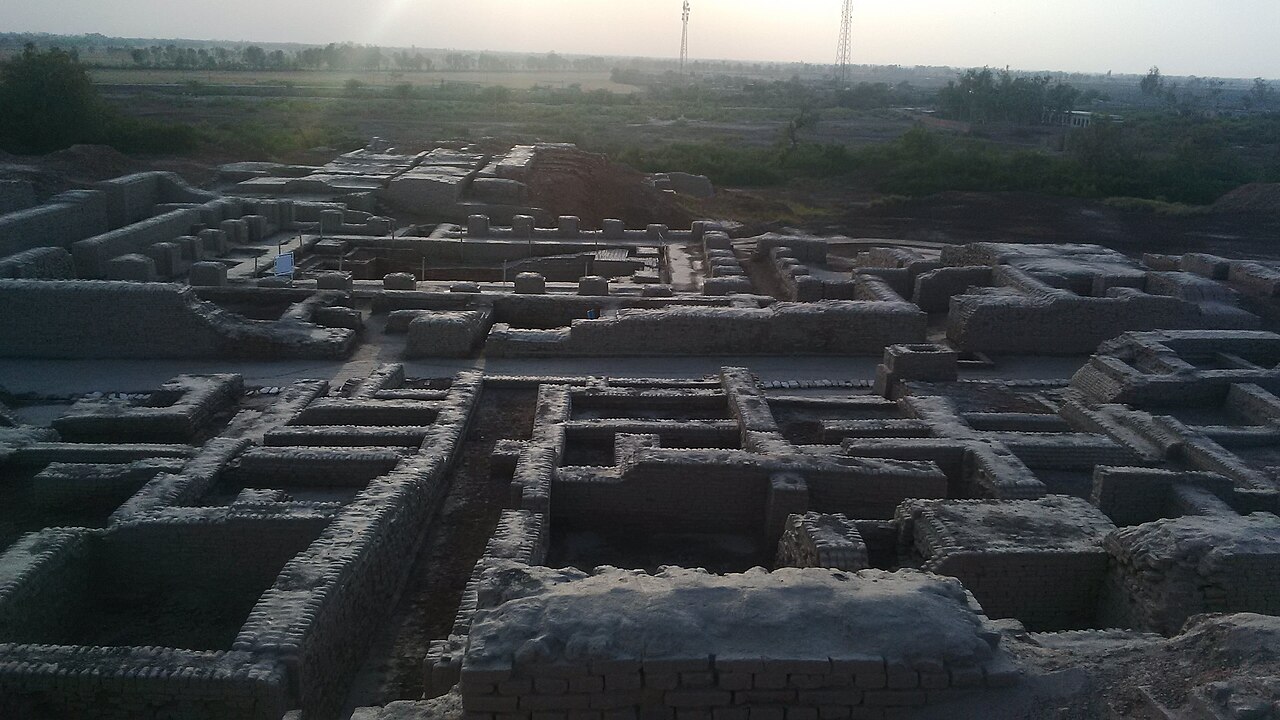
Mohenjo-daro was a city of perhaps forty thousand people, built around 2500 BCE, laid out in fired brick with straight streets and drains. It was contemporary with Egypt and Mesopotamia, it was abandoned by 1700 BCE, and nobody knew it was there until the 1920s.
How far you can drive: The distances below are to Larkana. The site is about 28 kilometres further on, off the west bank of the Indus, on metalled road the whole way — an ordinary car is fine and there is nothing difficult about the last stretch.
What it costs to drive to Larkana
| From | Distance | Driving | Petrol |
|---|---|---|---|
| Islamabad | 1039 km | 12 h | Rs 28,400 |
| Rawalpindi | 1028 km | 11.9 h | Rs 28,100 |
| Lahore | 831 km | 9.2 h | Rs 22,700 |
| Karachi | 475 km | 6 h | Rs 13,000 |
| Peshawar | 1173 km | 13.4 h | Rs 32,100 |
| Multan | 514 km | 5.7 h | Rs 14,000 |
A car doing 12 km/l at today’s Rs 328.00/litre. Open a row to work it out for your own car, your own speed and with the air conditioning on — or see every distance from Larkana.
What it is
An archaeological site in Larkana District, on a Pleistocene ridge in the Indus flood plain about 28 kilometres from the town of Larkana. It was one of the largest settlements of the Indus Valley Civilisation and one of the earliest major cities anywhere.
At its height it held at least forty thousand people. It prospered for several centuries and then, by about 1700 BCE, was abandoned along with the other great Indus cities.
The name, and the one nobody knows
'Mohenjo-daro' is modern, and in Sindhi it is read as the Mound of the Dead. The city's own name is lost. Iravatham Mahadevan, reading one of its seals, suggested it may have been Kukkuṭārma — the city of the cockerel — and that cock-fighting may have had ritual significance here.
The same argument makes Mohenjo-daro a candidate for where the domesticated chicken spread from, into Africa, western Asia, Europe and eventually the Americas. That is a speculation rather than a settled fact, and it is worth knowing as one.
Found in the 1920s, and at risk now
The site was rediscovered in the 1920s and has been excavated substantially since. In 1980 it became a UNESCO World Heritage Site — the first in South Asia.
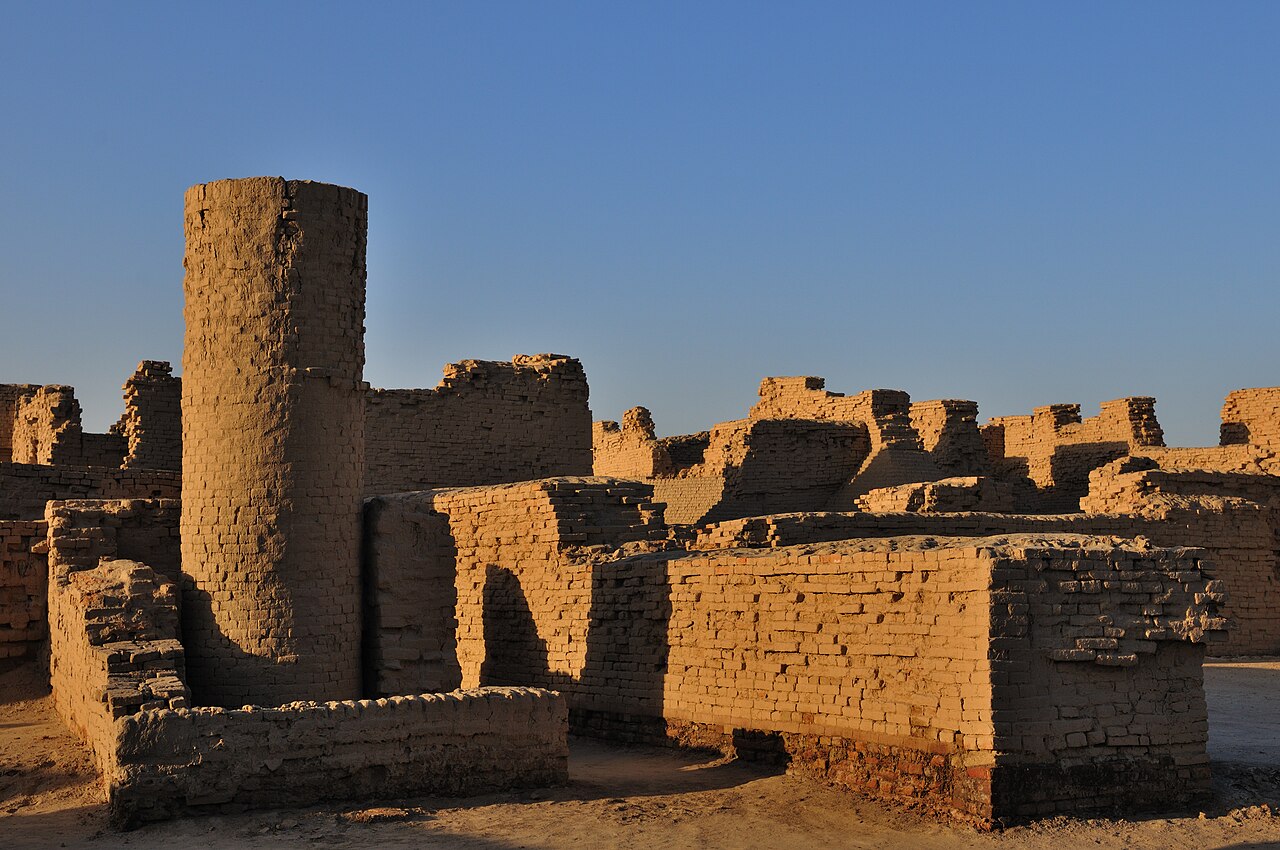
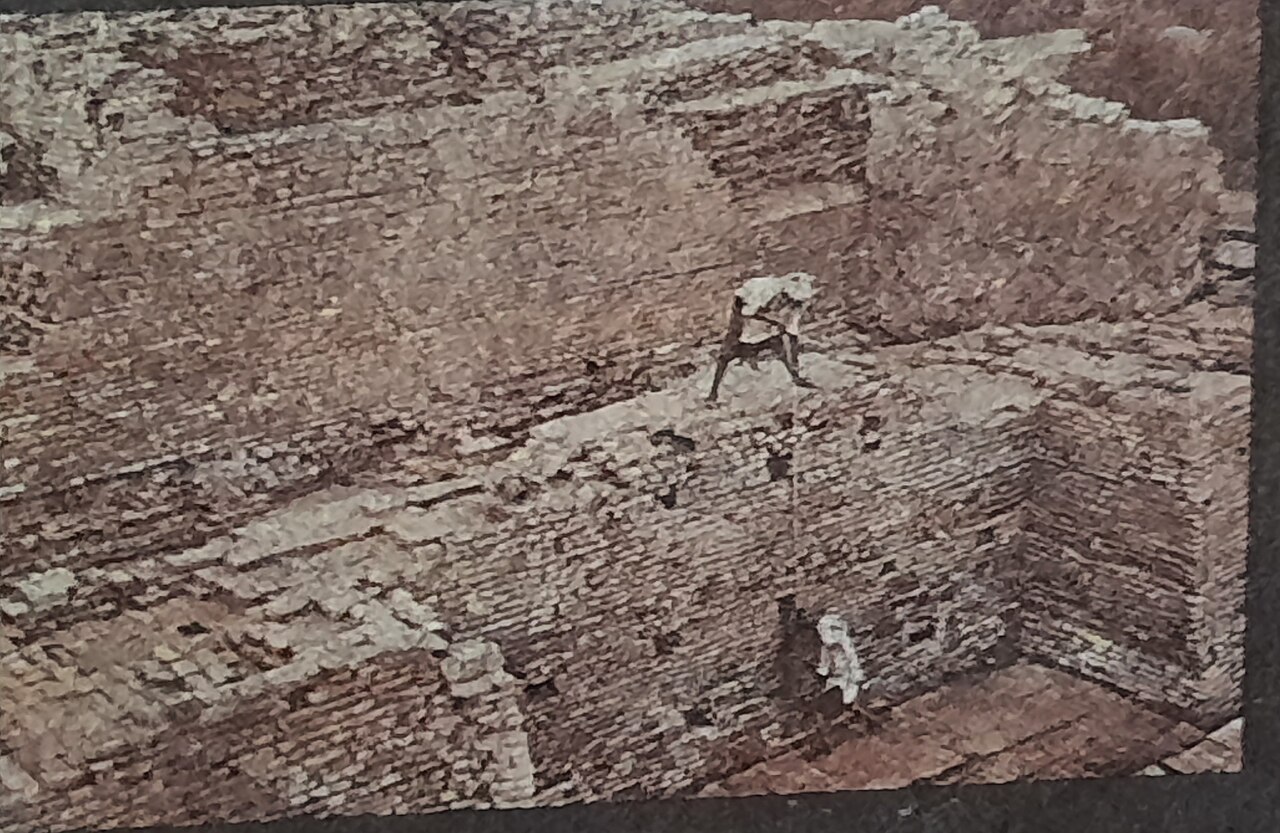
It is currently threatened by erosion and by restoration done badly. What you are looking at is baked brick that has survived four and a half thousand years in the ground and has been out in the weather for a hundred.
What there is to see
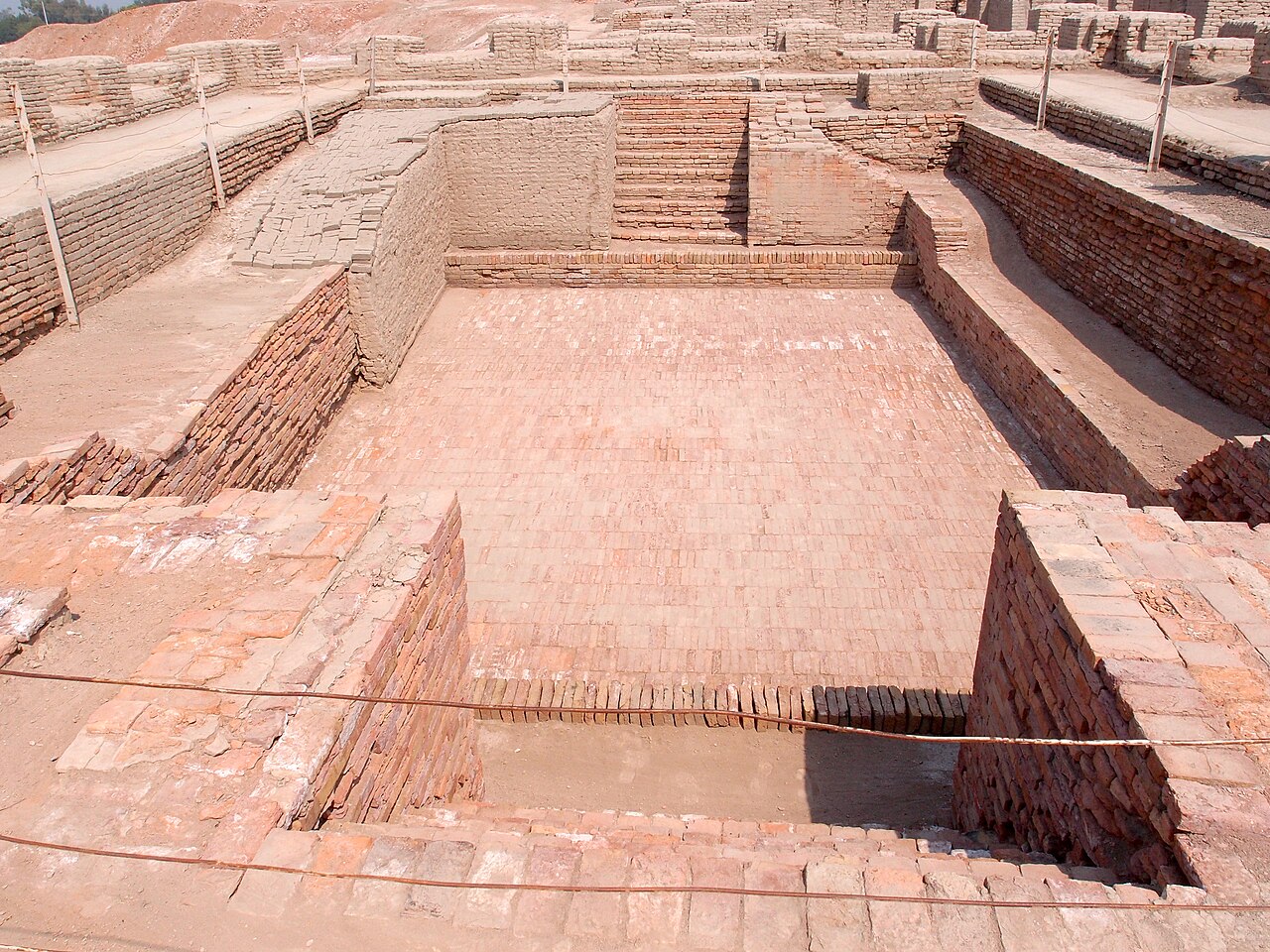
- The Great Bath
- The best known structure on the site, and the one in every photograph of it.
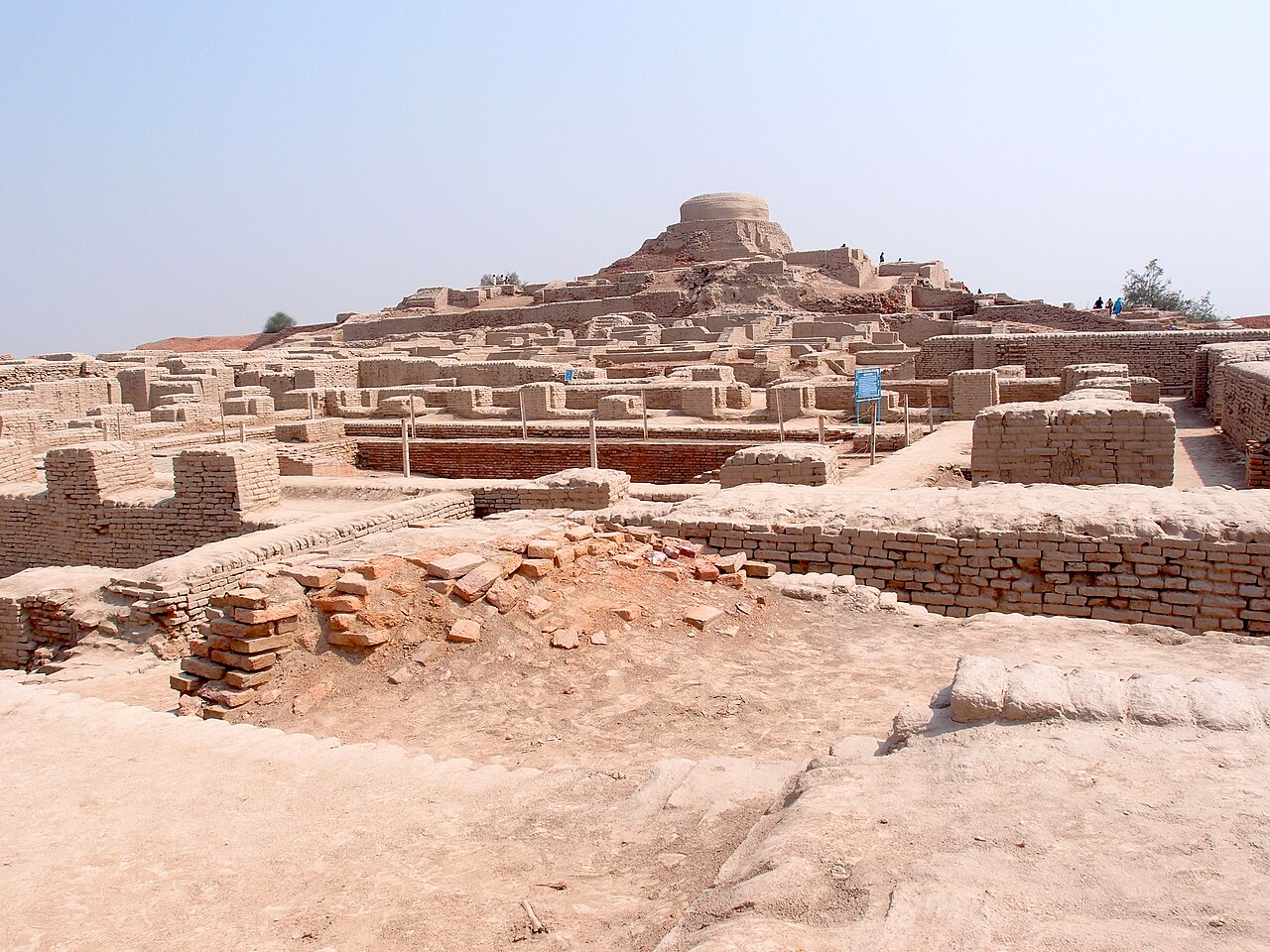
- The stupa mound
- Built on top of the ruins long after the city was abandoned.
- The streets
- Straight, at right angles, with drains — which is the part that surprises people.
- The site museum
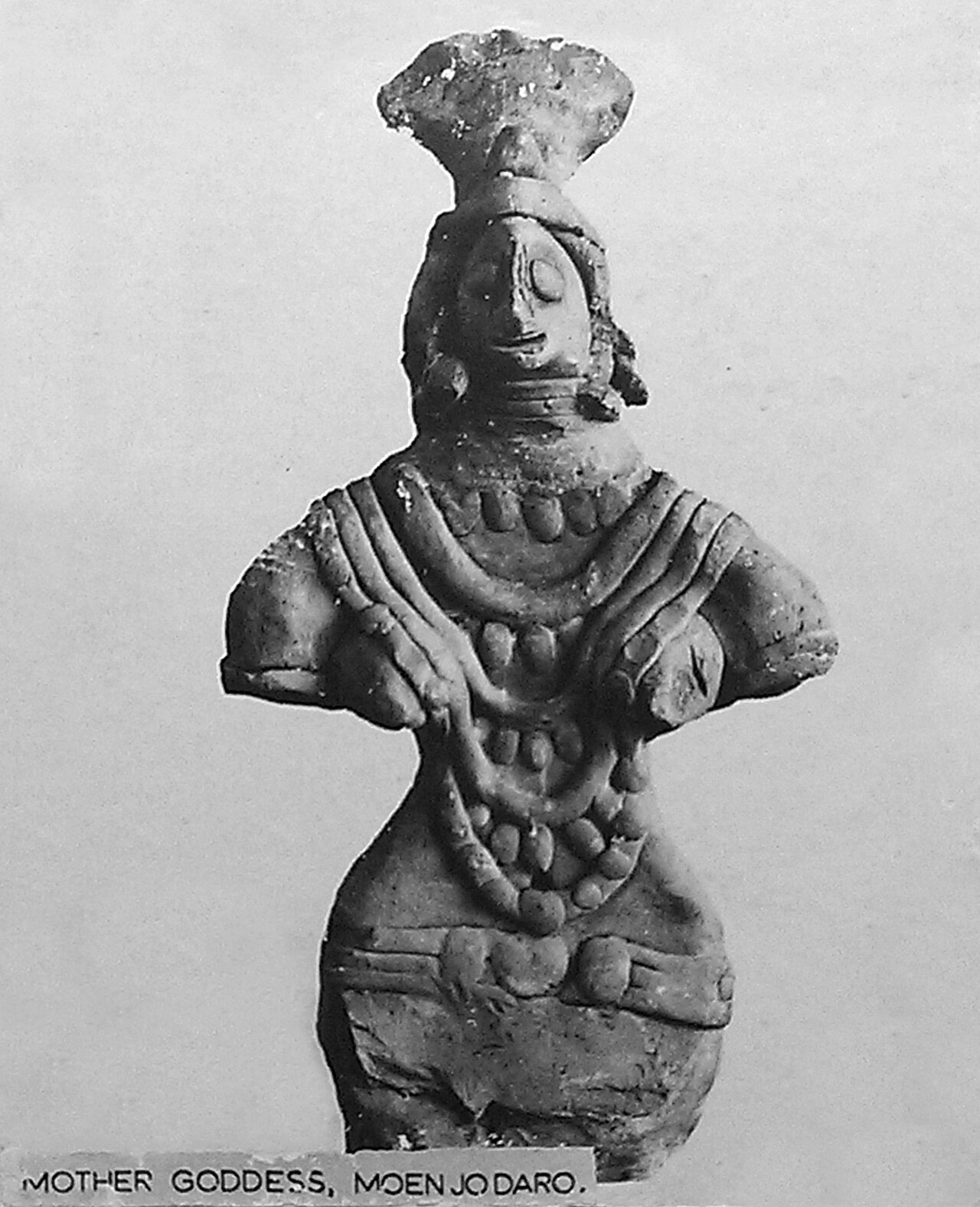
- Where the figurines and seals from the excavations are.
- Larkana
- The town 28 km away, and as far as the distances on this page are measured.
When to go, and when not to
November to February. This is upper Sindh: the summer is severe, the site is open brick with no shade, and the heat here is genuinely dangerous rather than merely unpleasant.
Early morning in winter is the best of it — the light is low across the brickwork and the site is quiet.
Where this comes from
- Mohenjo-daro — Wikipedia — The c. 2500 BCE date, the population estimate, the abandonment by c. 1700 BCE, the 28 kilometres from Larkana, the etymology and Mahadevan's reading, the 1920s rediscovery, the 1980 UNESCO listing and the erosion. Written from it, not copied; Wikipedia is CC BY-SA 4.0.
- OpenStreetMap — Road distances and driving times, via OSRM.