
Shalimar Gardens
Baghbanpura, Lahore, Punjab
On video
Shalamar Gardens Lahore — Documentary by Dawar Productions on YouTube. Not ours, and not an endorsement — it is the clearest look at the drive and the valley we could find.
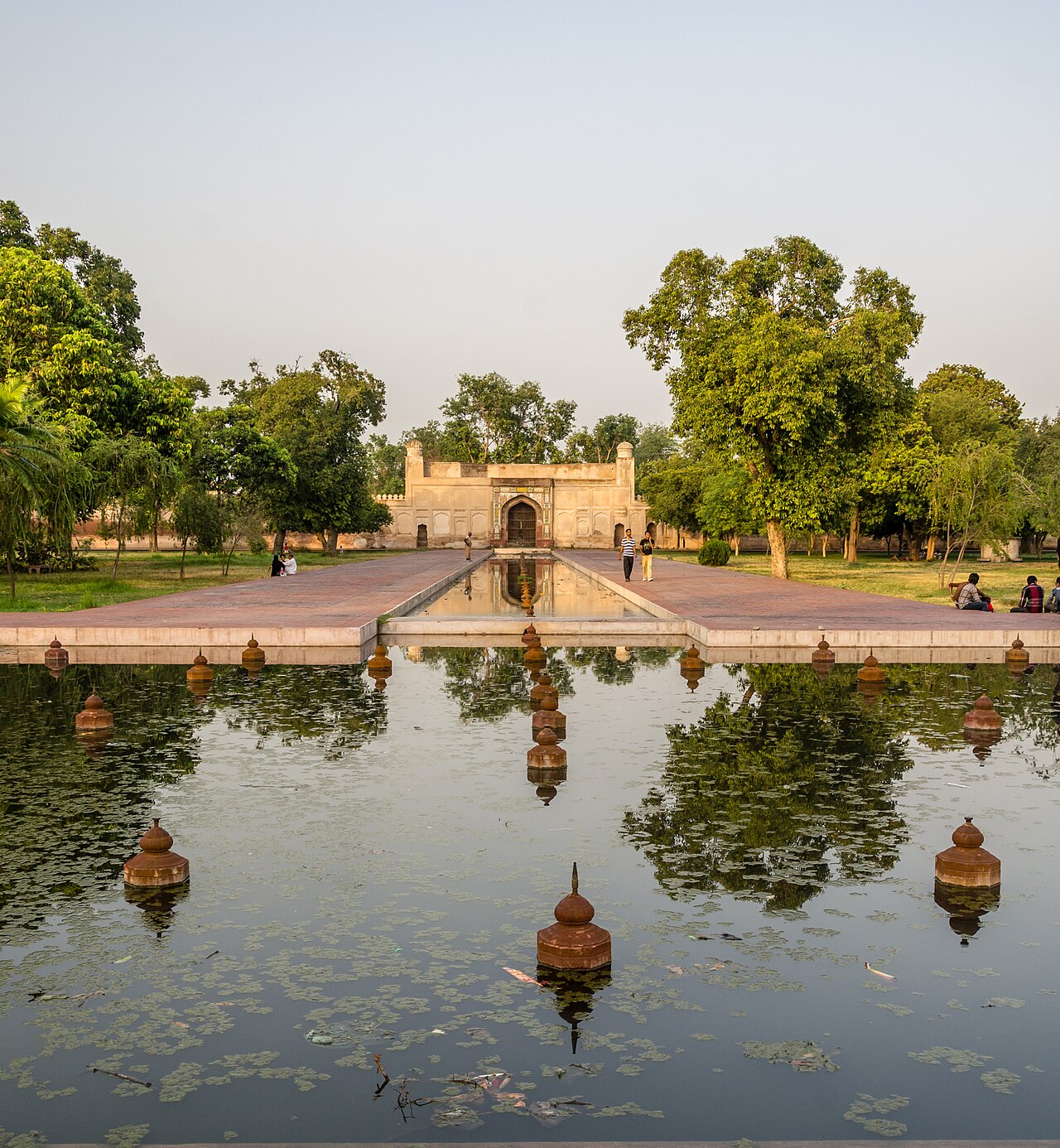
The Shalamar Gardens were laid out for Shah Jahan in 1641 and finished in 1642 — a charbagh on three walled terraces, with hundreds of fountains and niches cut behind the falling water to hold lamps. UNESCO listed them in 1981 as Mughal garden design at its peak.
What it costs to drive there
| From | Distance | Driving | Petrol |
|---|---|---|---|
| Islamabad | 368 km | 4.2 h | Rs 10,100 |
| Rawalpindi | 356 km | 4.2 h | Rs 9,700 |
| Karachi | 1213 km | 13.8 h | Rs 33,200 |
| Peshawar | 501 km | 5.6 h | Rs 13,700 |
| Multan | 330 km | 3.8 h | Rs 9,000 |
| Quetta | 930 km | 12.3 h | Rs 25,400 |
A car doing 12 km/l at today’s Rs 328.00/litre. Open a row to work it out for your own car, your own speed and with the air conditioning on — or see every distance from Lahore.
What it is
A Mughal garden complex beside Baghbanpura in Lahore, laid out as a charbagh — the four-part Persian garden plan. Construction began in 1641, during Shah Jahan's reign, and was finished in 1642.
In 1981 UNESCO inscribed the gardens as a World Heritage Site, on the grounds that they embody Mughal garden design at the height of its development.
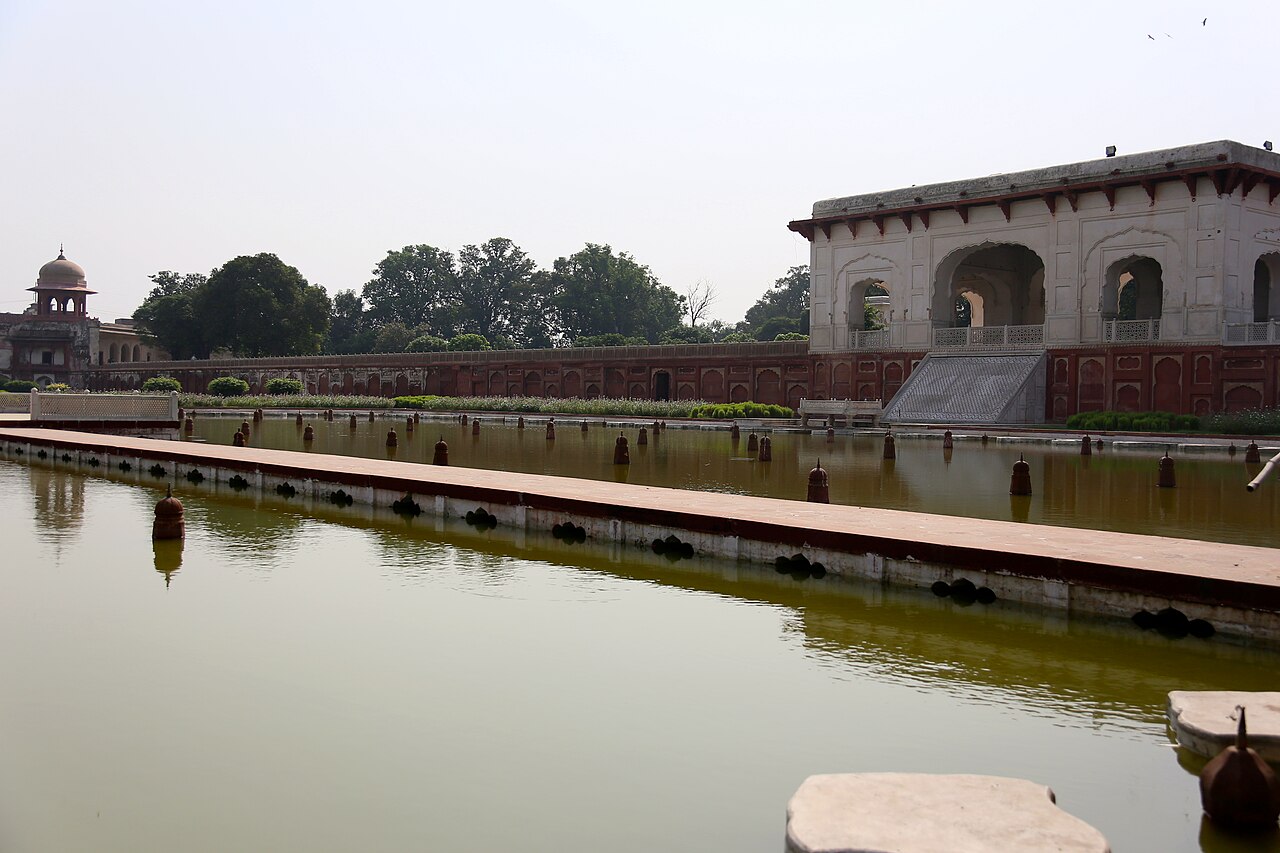
The three terraces
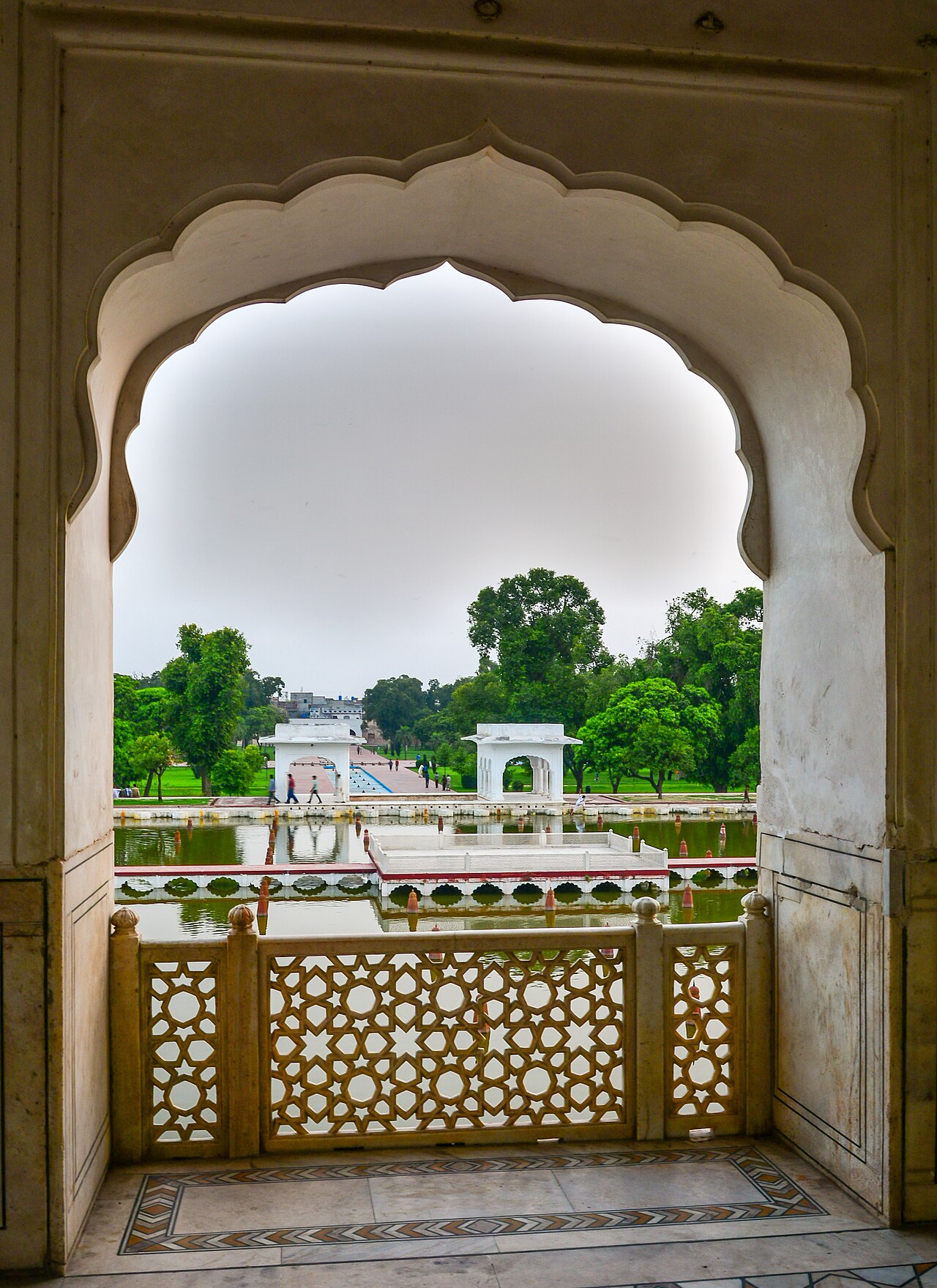
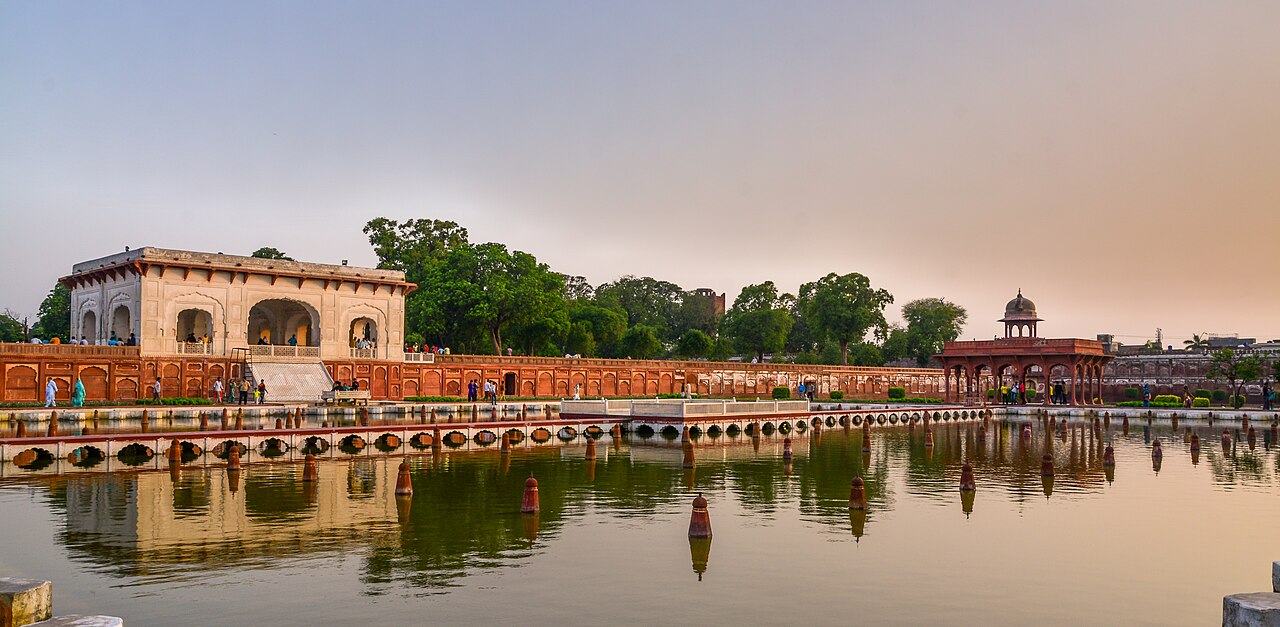
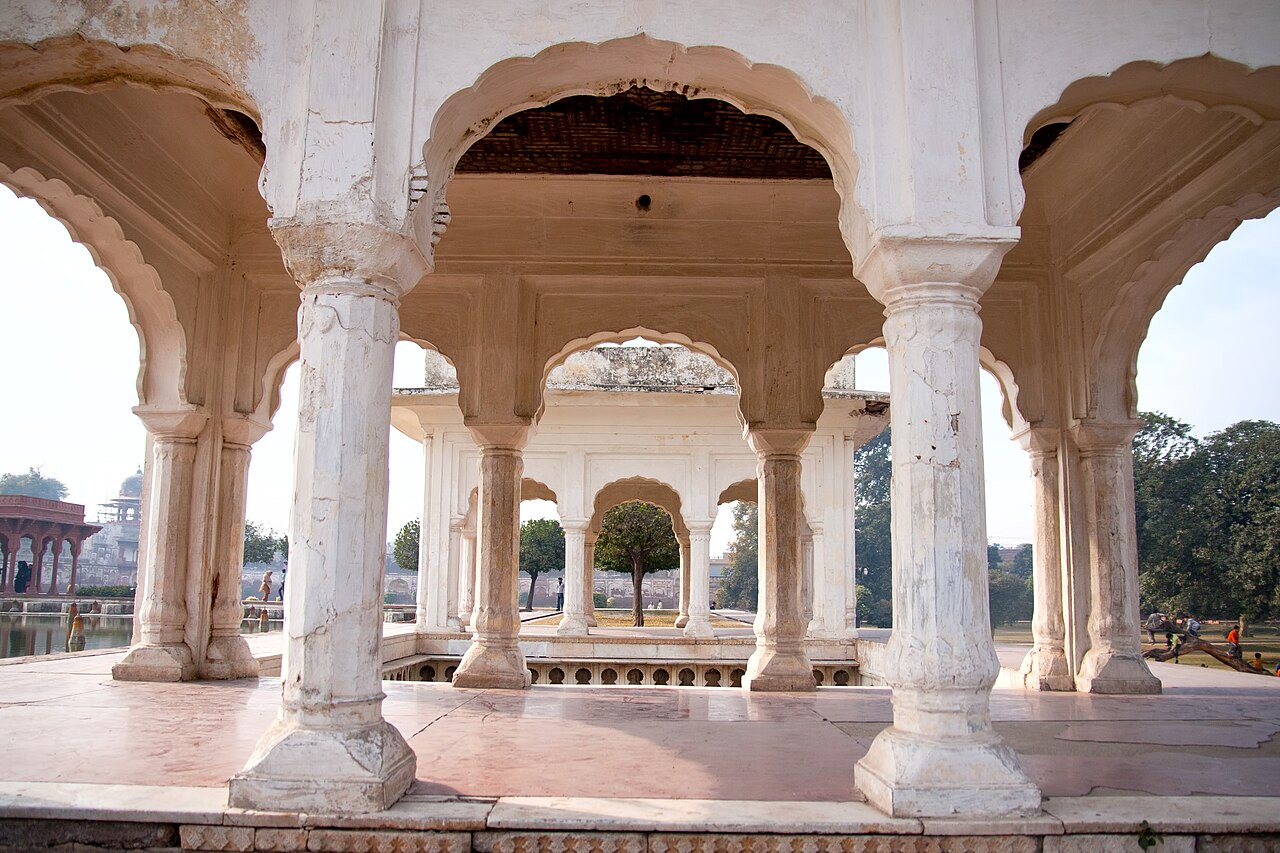
The terraces have names rather than numbers. Farah Baksh is the upper one — the Bestower of Pleasure. Faiz Baksh is the middle — the Bestower of Goodness. Hayat Baksh is the lower — the Bestower of Life.
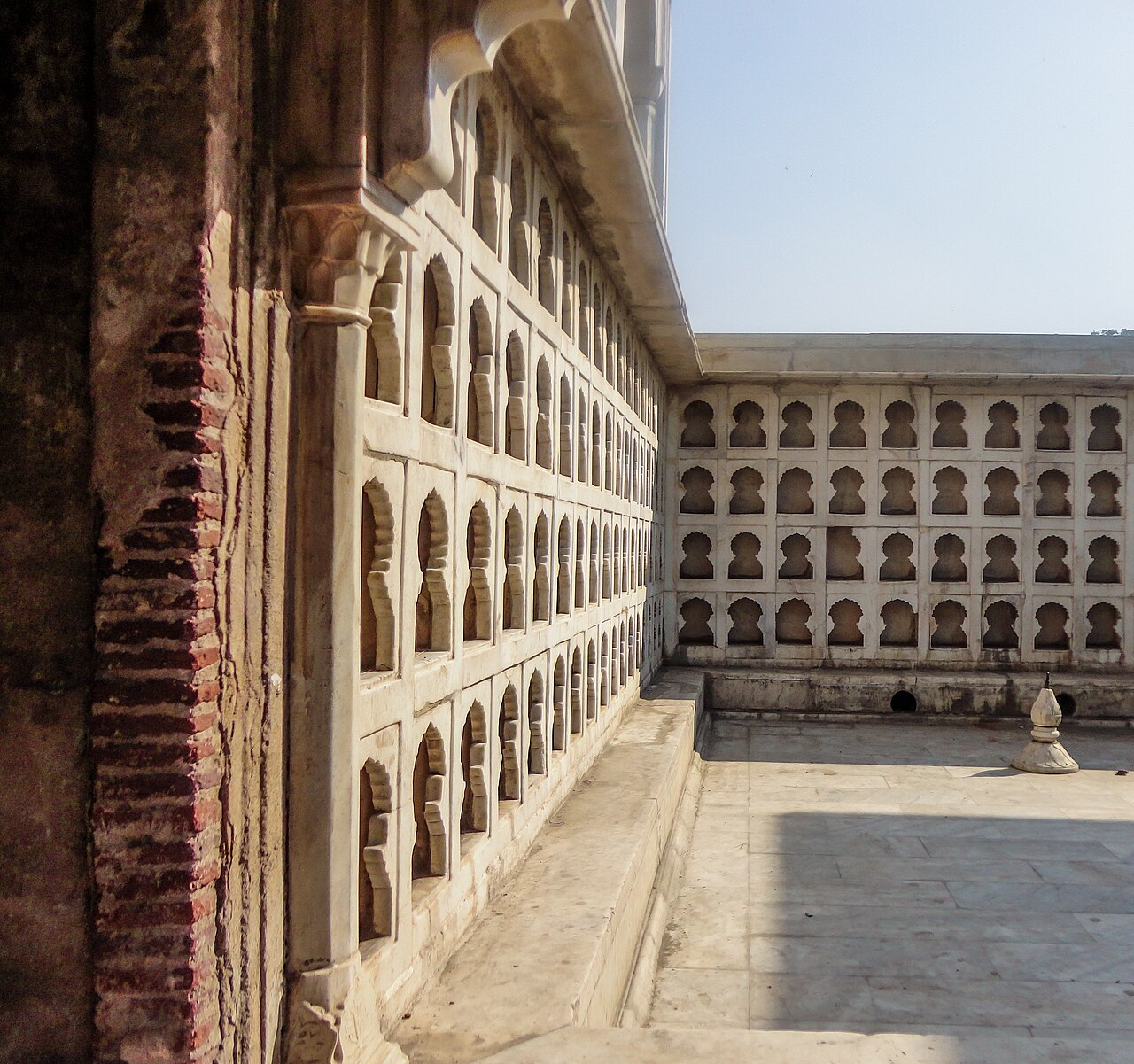
The chini khanas are the detail worth looking for: niches cut into the wall behind a sheet of falling water, made to hold oil lamps at night so the water in front of them lit up. They are the single cleverest thing in the garden and they are easy to walk past.
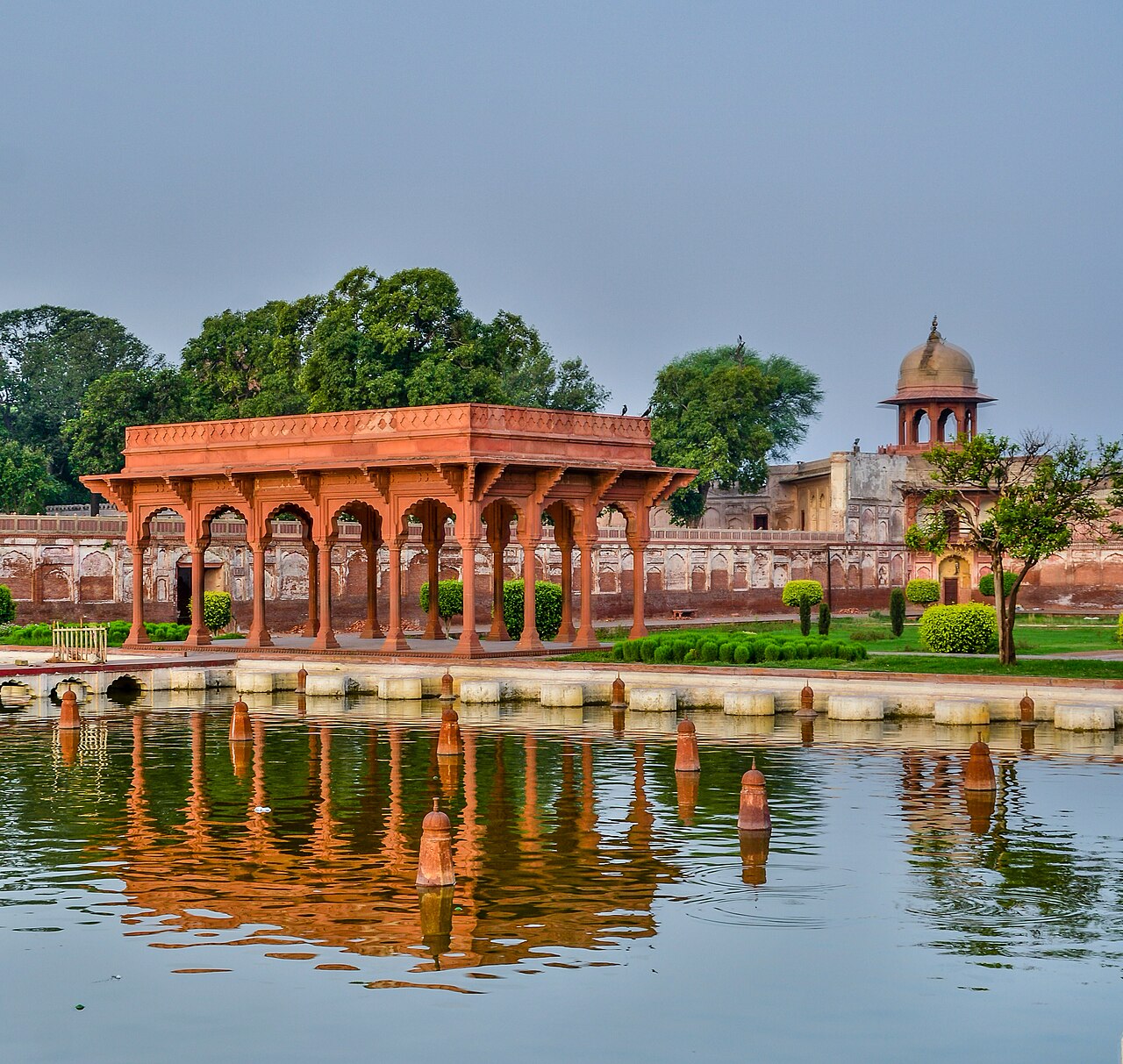
The argument about the name
The gardens were originally called Farah Bakhsh — delightful — until the reign of Shah Alam I. The present name first appears with Nader Shah's historians, as Shola-i-Mah, ray of the moon.
After that it becomes a scholarly argument. One reading derives it from Sanskrit shala, house or abode, with Turkic mar, joy, or Kashmiri mar, stream: the abode of joy, or the abode of streams. Muhammad Ishtiaq Khan held that Shalamar is a corruption of Shalimar, from Kashmiri shali, rice paddy, and mar, black loamy soil.
Ranjit Singh's courtiers told him shala was Turkic for pleasure and mar meant a place to live. He was unconvinced, believing it came from Punjabi shala, God, and mar, curse — the curse of God — and renamed the place Shahla Bagh, the garden of the black-eyed sweetheart. The name did not stick.
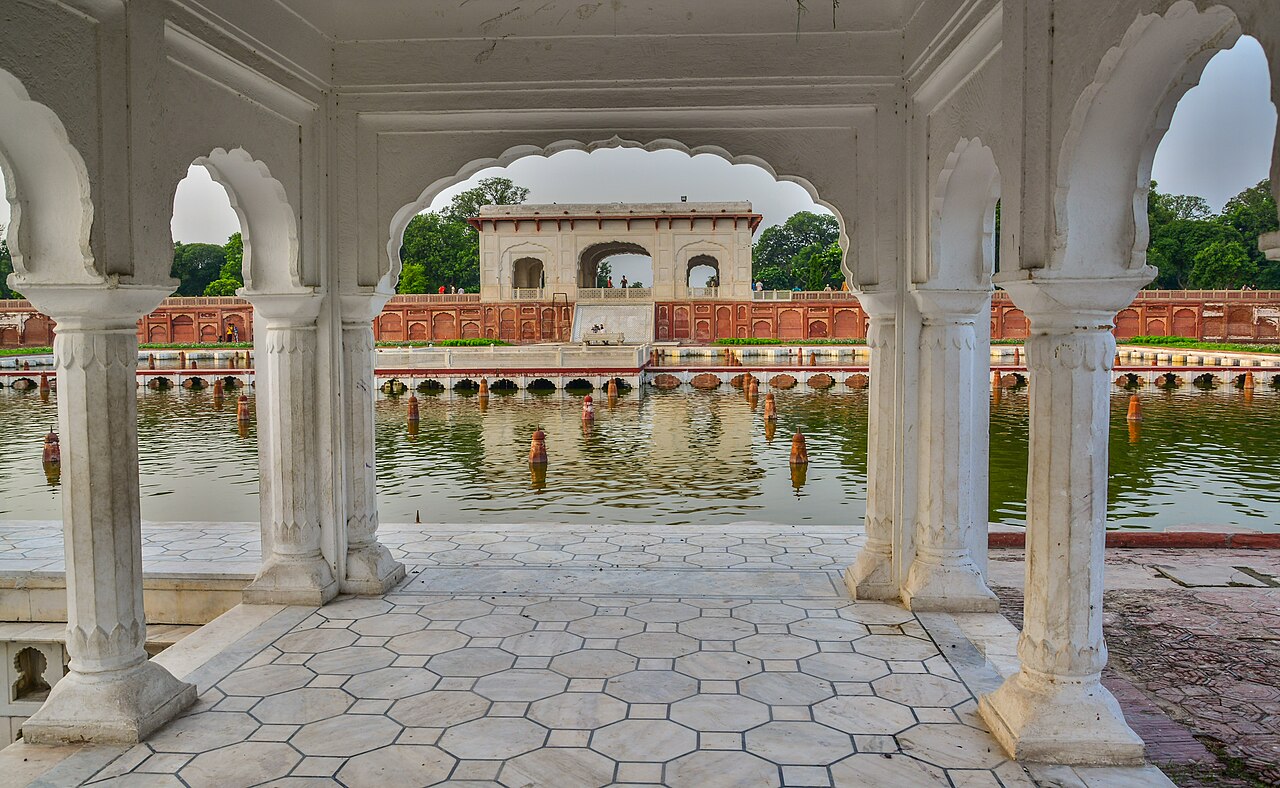
What there is to see
- Faiz Baksh
- The middle terrace, with the pavilion and the main water channel.
- The chini khanas
- Lamp niches cut behind the falling water. The detail everyone misses.
- Farah Baksh
- The upper terrace, and the view down over the other two.
- Hayat Baksh
- The lower terrace, the Bestower of Life.
- Lahore Fort
- Across the city, and the other half of a Mughal Lahore day.
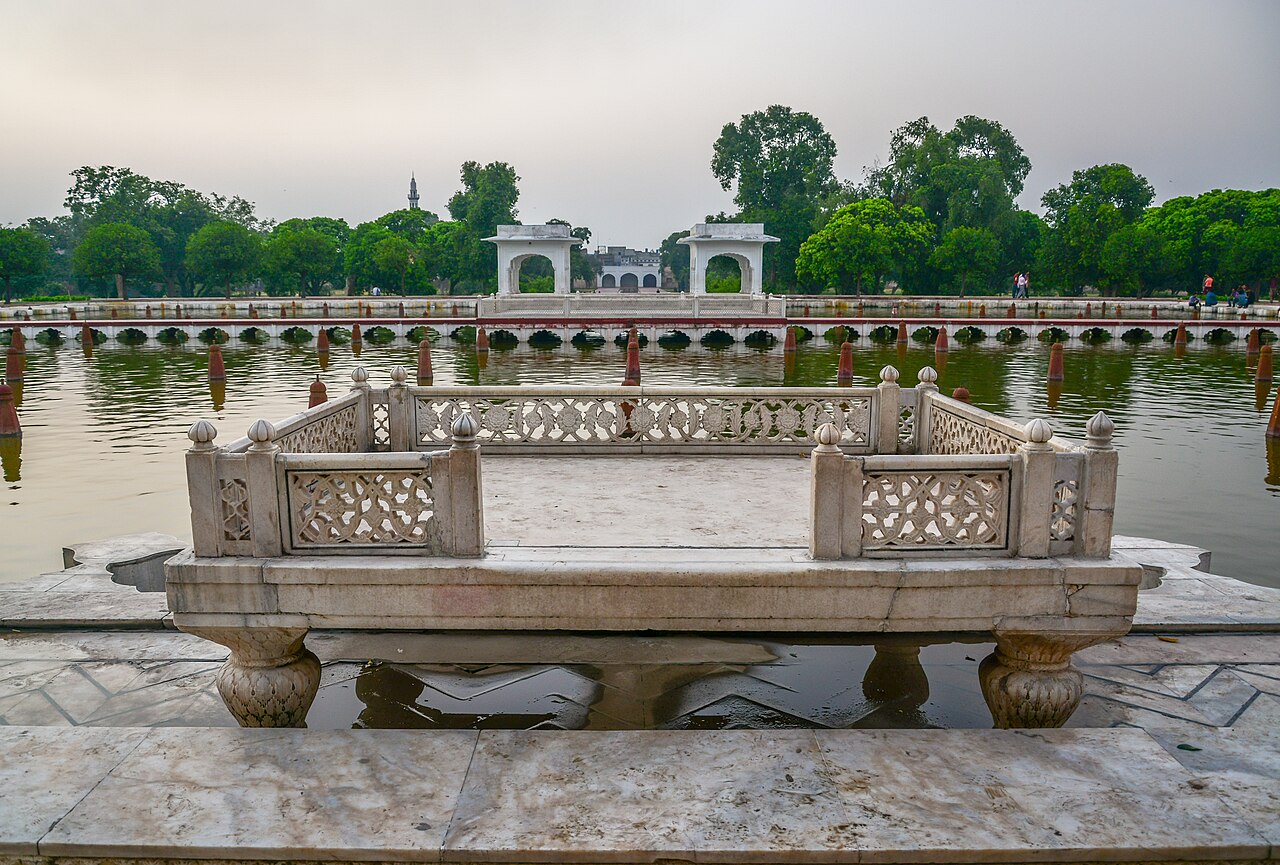
When to go, and when not to
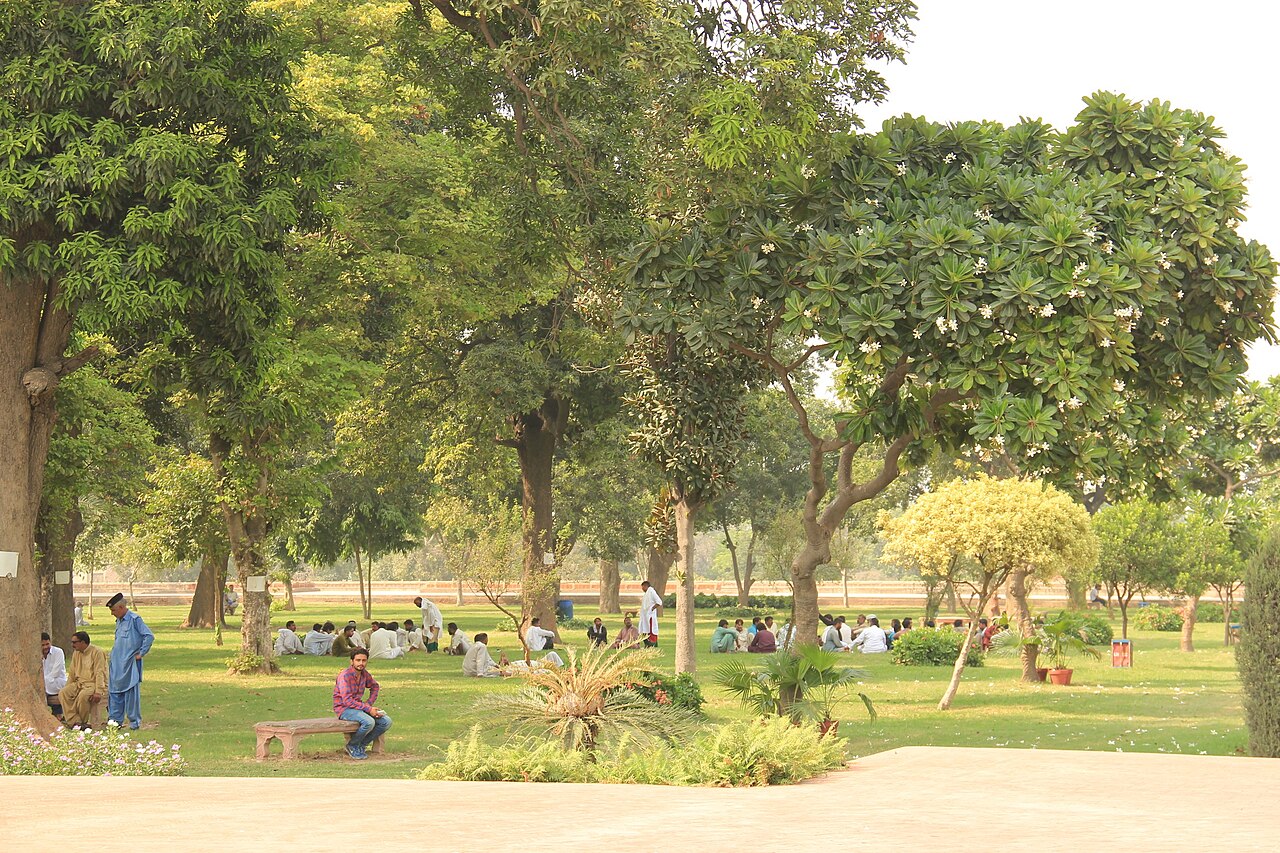
October to March, in the morning or late afternoon. The gardens are walled and open, with the shade only where the trees are, and midsummer undoes the point of a garden built to be cool.
Spring is the best of it — the planting is at its fullest and the fountains are running.
Where this comes from
- Shalimar Gardens, Lahore — Wikipedia — The charbagh plan, the 1641–1642 construction under Shah Jahan, the 1981 UNESCO listing and its wording, the three terrace names, and the whole sequence of competing etymologies including Ranjit Singh's reading and the Shahla Bagh renaming. Written from it, not copied; Wikipedia is CC BY-SA 4.0.
- OpenStreetMap — Road distances and driving times, via OSRM.