
Wazir Khan Mosque
Walled City of Lahore, Punjab
On video
AFCP in Pakistan — the conservation of the Wazir Khan Mosque by U.S. Embassy Islamabad on YouTube. Not ours, and not an endorsement — it is the clearest look at the drive and the valley we could find.
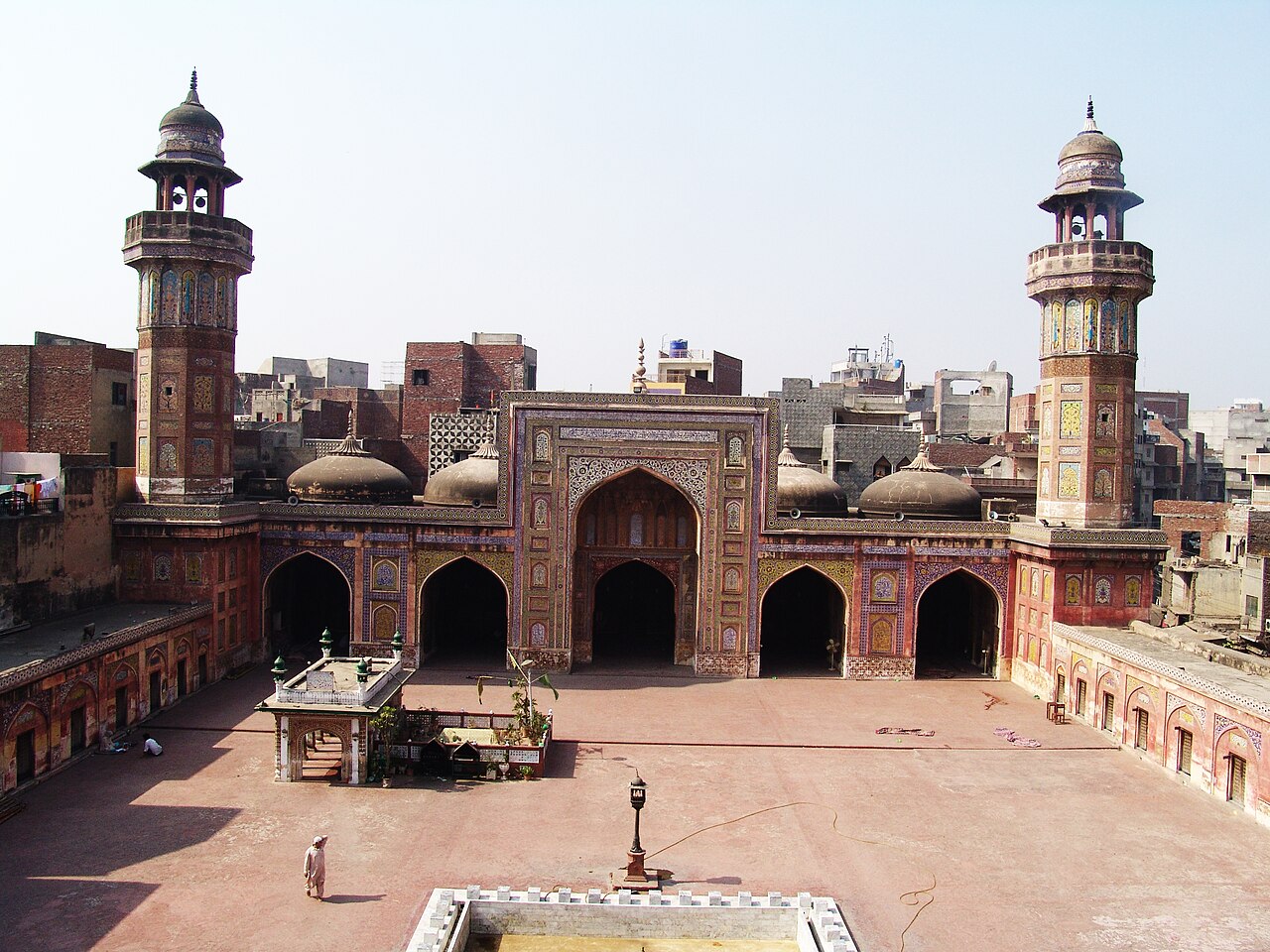
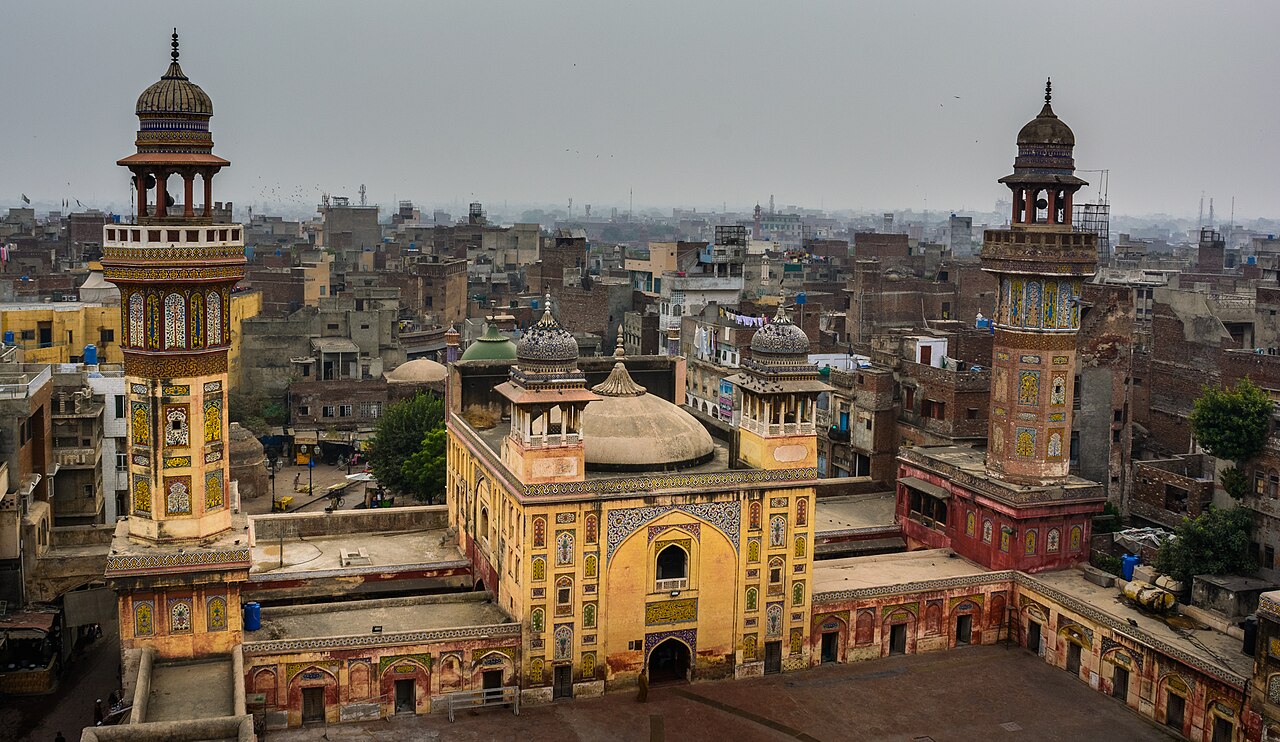
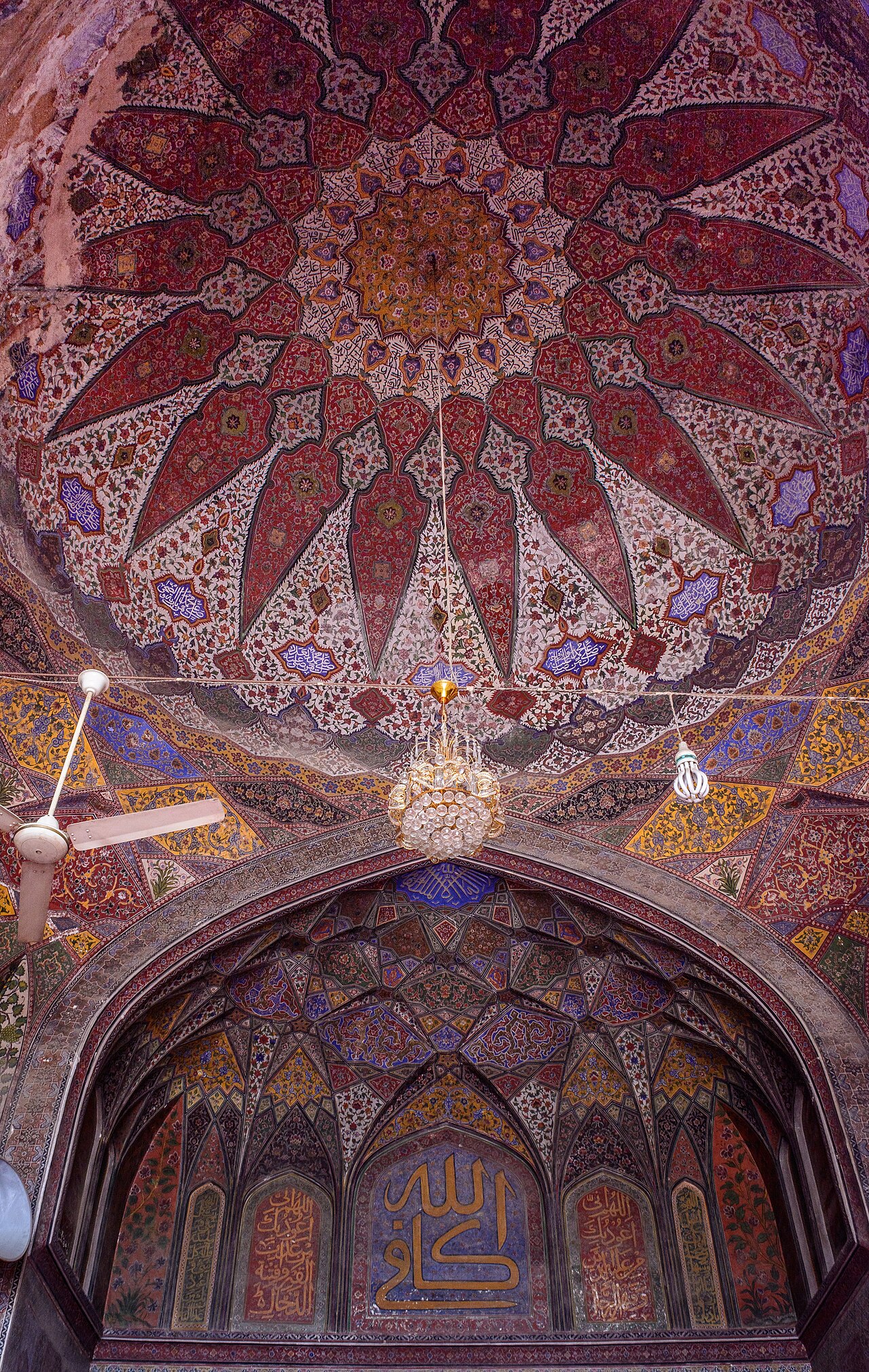
The Wazir Khan Mosque is the most ornately decorated Mughal mosque there is — kashi-kari tilework outside, and interior surfaces almost entirely covered in fresco. It was begun in 1634 and finished in 1641, and it stands 260 metres inside Delhi Gate, in the middle of a working bazaar.
What it costs to drive there
| From | Distance | Driving | Petrol |
|---|---|---|---|
| Islamabad | 368 km | 4.2 h | Rs 10,100 |
| Rawalpindi | 356 km | 4.2 h | Rs 9,700 |
| Karachi | 1213 km | 13.8 h | Rs 33,200 |
| Peshawar | 501 km | 5.6 h | Rs 13,700 |
| Multan | 330 km | 3.8 h | Rs 9,000 |
| Quetta | 930 km | 12.3 h | Rs 25,400 |
A car doing 12 km/l at today’s Rs 328.00/litre. Open a row to work it out for your own car, your own speed and with the air conditioning on — or see every distance from Lahore.
What it is
A seventeenth-century Mughal mosque in the Walled City, commissioned by the governor of Lahore during Shah Jahan's reign as part of an ensemble that also included the Wazir Khan Hammam. Construction began in 1634 and finished in 1641.
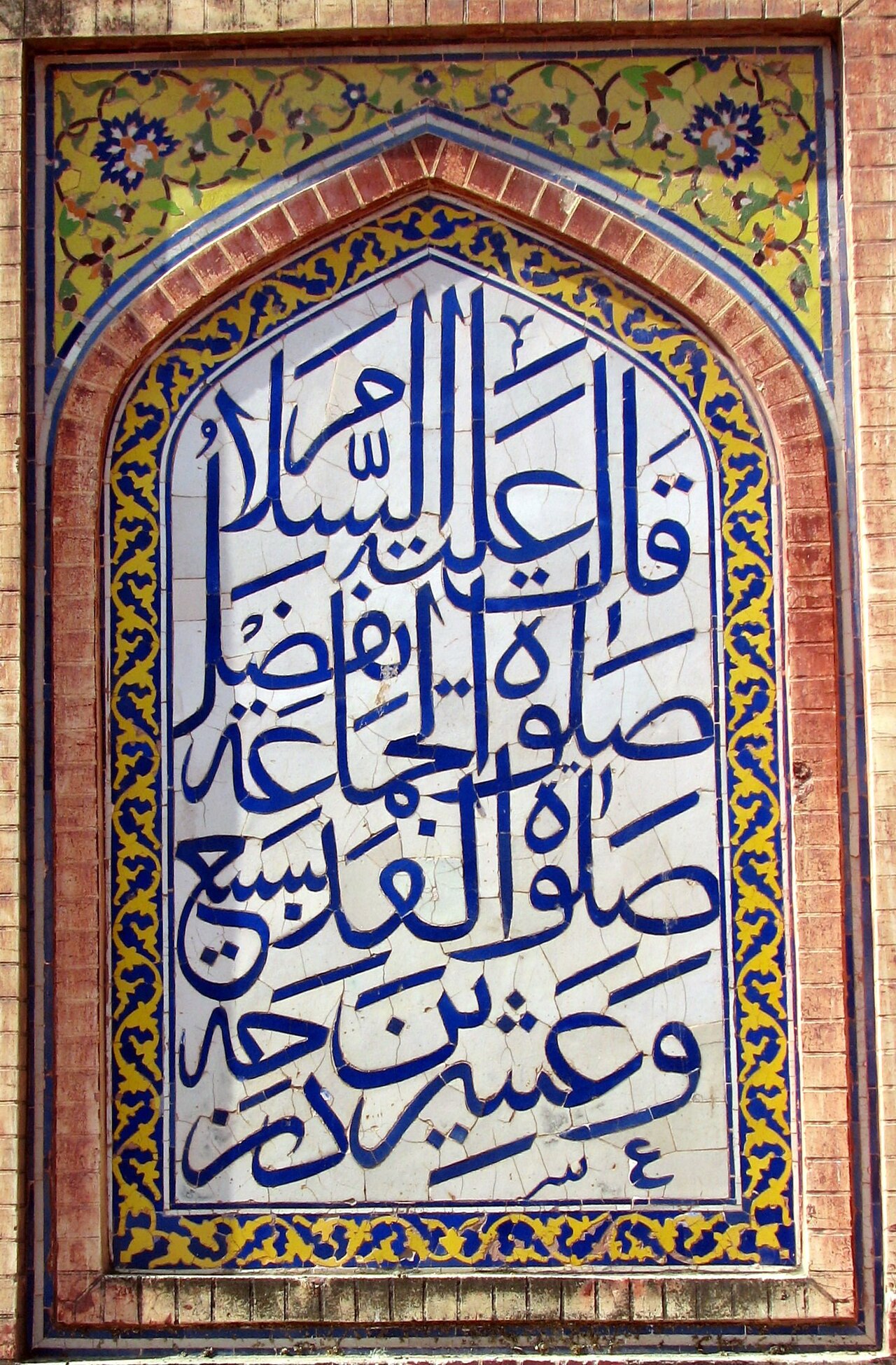
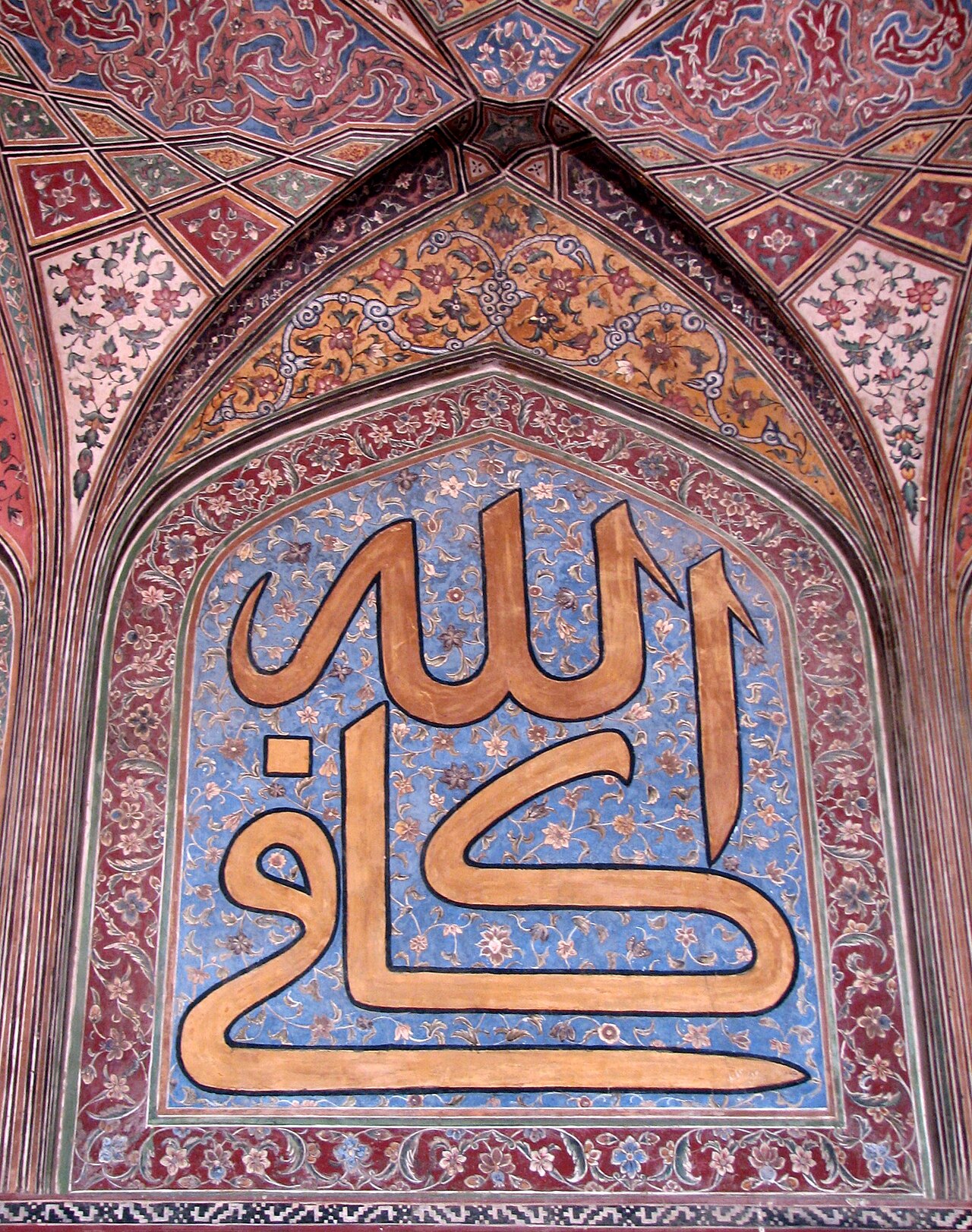
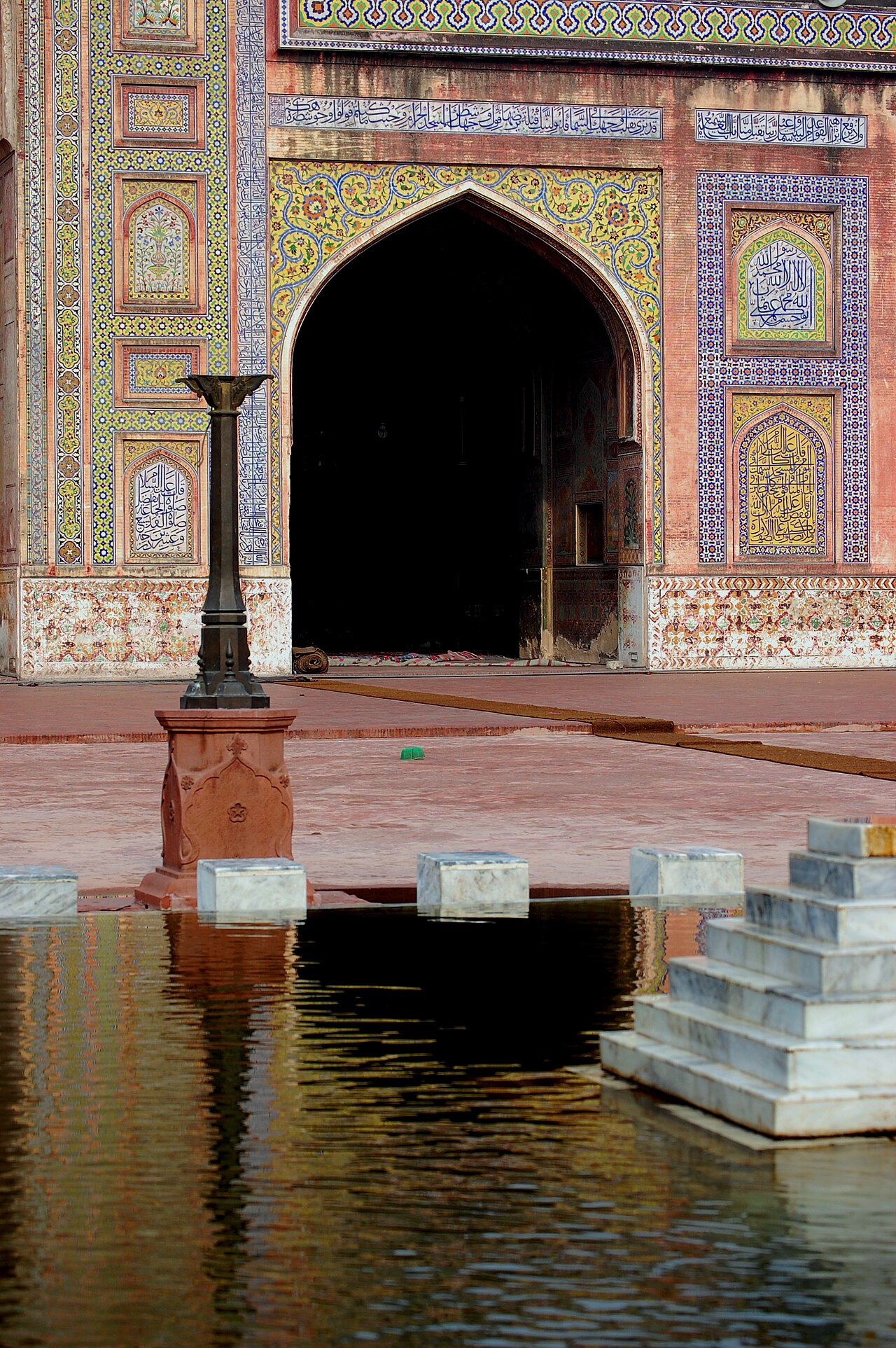
It is on UNESCO's World Heritage Tentative List. What it is known for is the faience tilework — kashi-kari — on the outside, and interiors that are almost completely covered in elaborate frescoes.

Who Wazir Khan was
Hakim Ilam-ud-din Ansari, a royal physician who became subahdar — viceroy — of Punjab, and is known by his royal title of Wazir Khan. He owned a good deal of property near the Delhi Gate.
He commissioned the mosque in 1634 to enclose the tomb of Miran Badshah, a Sufi saint whose grave now lies in the mosque's courtyard; there had been an older shrine to the saint on the site. The new mosque superseded the Maryam Zamani Mosque as Lahore's main Friday mosque.

Where it stands
On the southern side of the Shahi Guzargah — the Royal Road — which was the route Mughal nobles took to the Lahore Fort. It is about 260 metres west of Delhi Gate, where the Shahi Hammam is.
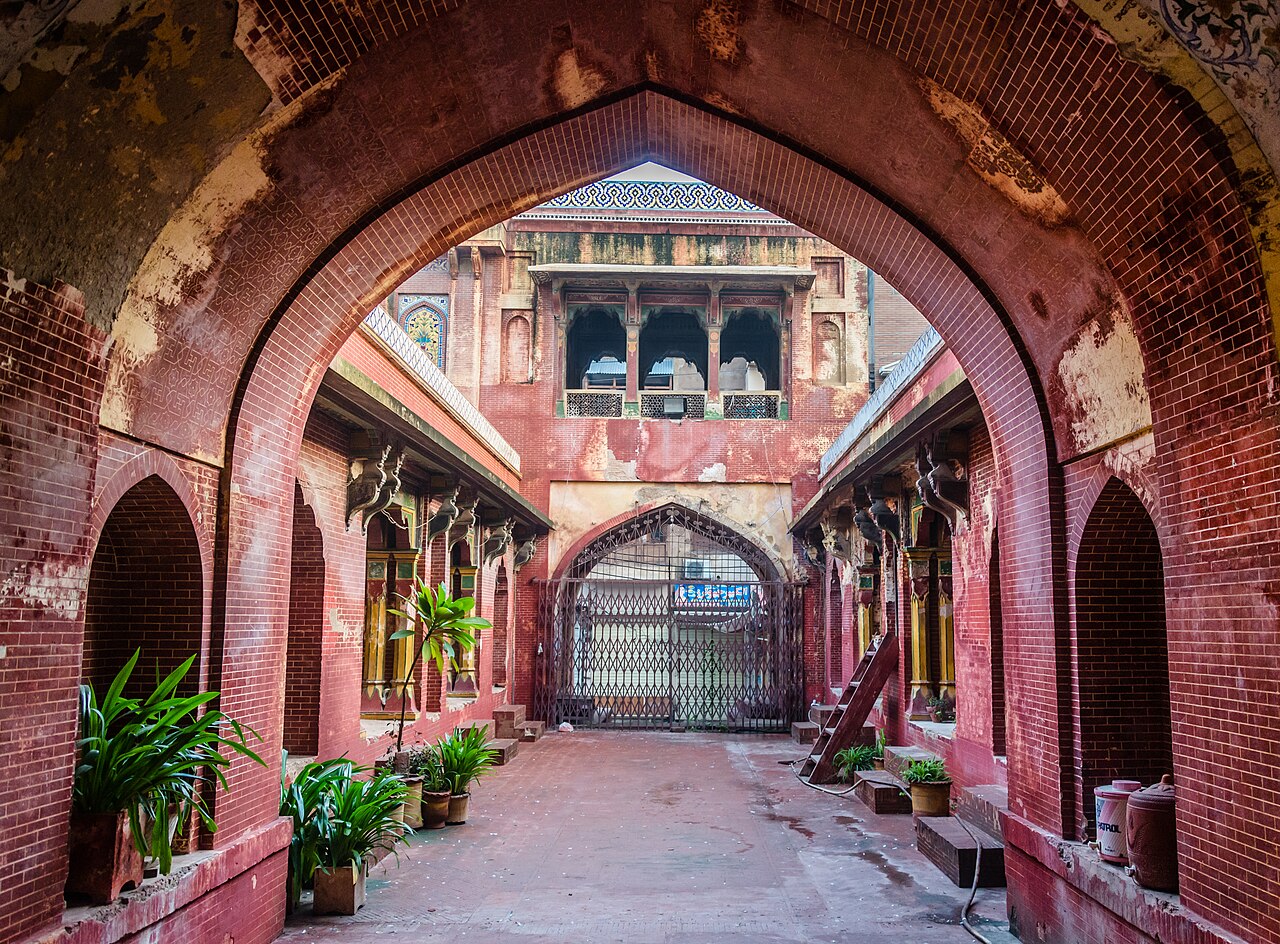
It faces Wazir Khan Chowk and the Chitta Gate. This is not a monument standing alone in a park: it is embedded in the Walled City, with a bazaar built into its own structure, and getting to it means going into the old city on foot.

What there is to see
- The tilework
- Kashi-kari faience across the facade — the reason the building is famous.
- The frescoes
- Interior surfaces almost entirely painted. Look up.
- The Calligraphers' Bazaar
- Built into the mosque's own structure, and still trading.
- Shahi Hammam
- At Delhi Gate, 260 metres east, part of the same ensemble.
- Wazir Khan Chowk
- The square in front, with the Chitta Gate.


When to go, and when not to
October to March, and in the morning. The Walled City is dense and the approach is on foot through a bazaar, which is a different proposition in June.
Leave the car outside the Walled City. Delhi Gate is the usual place to start, and the walk in along the Royal Road is part of the point.
Where this comes from
- Wazir Khan Mosque — Wikipedia — The 1634–1641 construction, the commission by Hakim Ilam-ud-din Ansari, the kashi-kari and frescoes, the Tentative List status, the Shahi Guzargah position and 260 metres from Delhi Gate, the tomb of Miran Badshah, and the supersession of the Maryam Zamani Mosque. Written from it, not copied; Wikipedia is CC BY-SA 4.0.
- OpenStreetMap — Road distances and driving times, via OSRM.