
Harappa
Sahiwal District, Punjab
On video
Harappa and the Harappan Civilization — City Tour by Discover Pakistan on YouTube. Not ours, and not an endorsement — it is the clearest look at the drive and the valley we could find.
Harappa gave its name to an entire civilisation. At its height, between 2600 and 1900 BC, it held perhaps 23,500 people across 150 hectares of brick housing. Then the British built the Lahore–Multan railway and used the city's bricks as track ballast.
How far you can drive: The distances below are to Sahiwal. Harappa is about 24 kilometres west of it on ordinary road, and the modern village of Harappa — a crossroads town of fifteen thousand people — is less than a kilometre from the site.
What it costs to drive to Sahiwal
| From | Distance | Driving | Petrol |
|---|---|---|---|
| Islamabad | 419 km | 5.5 h | Rs 11,500 |
| Rawalpindi | 409 km | 5.5 h | Rs 11,200 |
| Lahore | 170 km | 2.2 h | Rs 4,600 |
| Karachi | 1061 km | 12.4 h | Rs 29,000 |
| Peshawar | 554 km | 6.9 h | Rs 15,100 |
| Multan | 178 km | 2.4 h | Rs 4,900 |
A car doing 12 km/l at today’s Rs 328.00/litre. Open a row to work it out for your own car, your own speed and with the air conditioning on — or see every distance from Sahiwal.
What it is
A settlement in Punjab about 24 kilometres west of Sahiwal, named after the modern village beside the former course of the Ravi. The river now runs eight kilometres to the north.
At its greatest extent, during the Mature Harappan phase between 2600 and 1900 BC, the city is believed to have held as many as 23,500 residents across about 150 hectares of clay-brick housing — very large for its time.
What happened to it
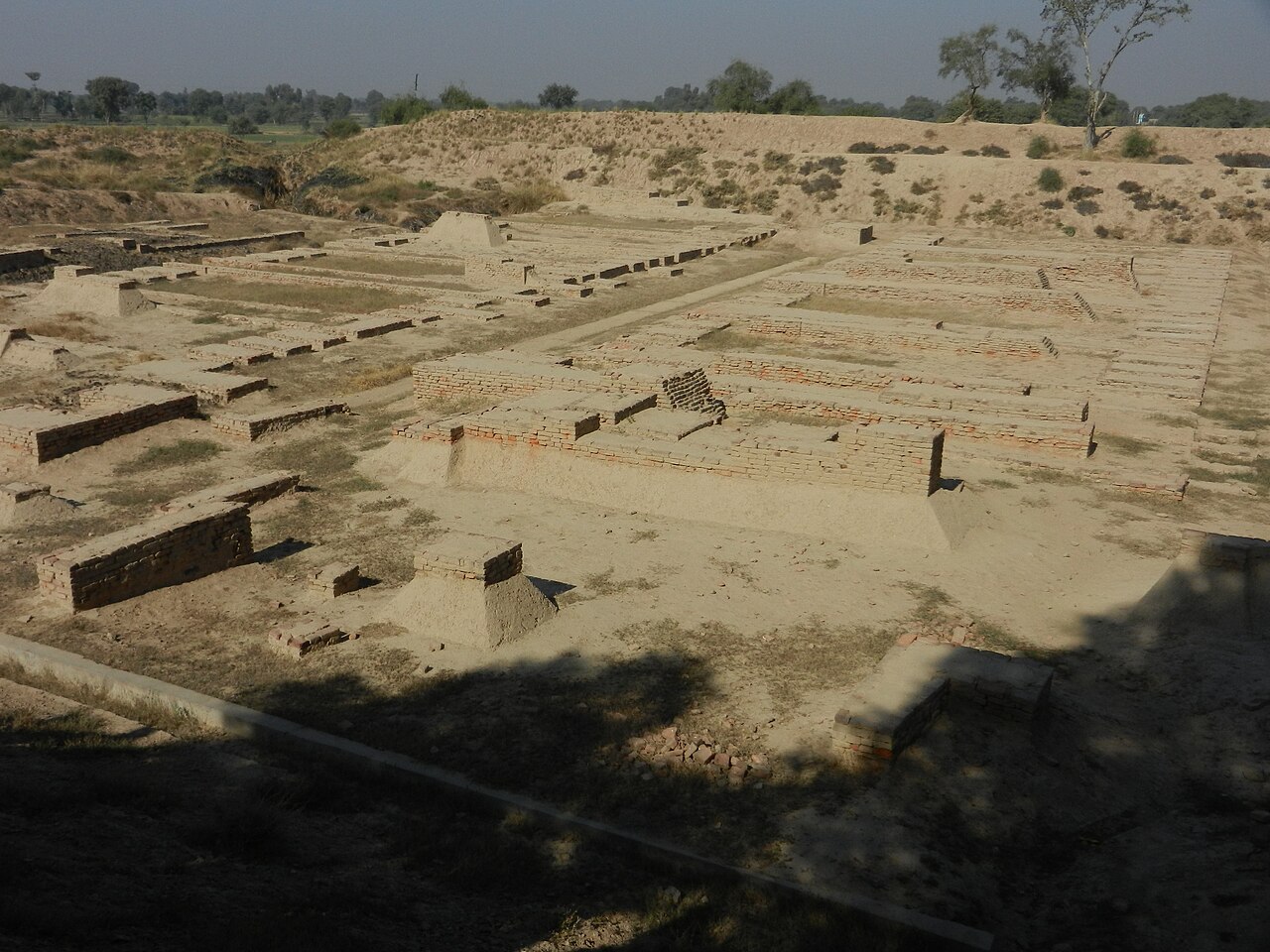
The ancient city was heavily damaged under British rule, when bricks from the ruins were carted off and used as track ballast for the Lahore–Multan Railway. That is the single fact that explains what the site looks like today.
In 2004 it was added to the tentative list for UNESCO World Heritage status. In 2005 a proposed amusement park on the site was abandoned when the builders started turning up archaeological material during the early stages of work.
The civilisation it named
The Harappan civilisation has its earliest roots in cultures such as Mehrgarh, from around 5200 BC. Its two greatest cities, Harappa and Mohenjo-daro, grew along the Indus in Punjab and Sindh.
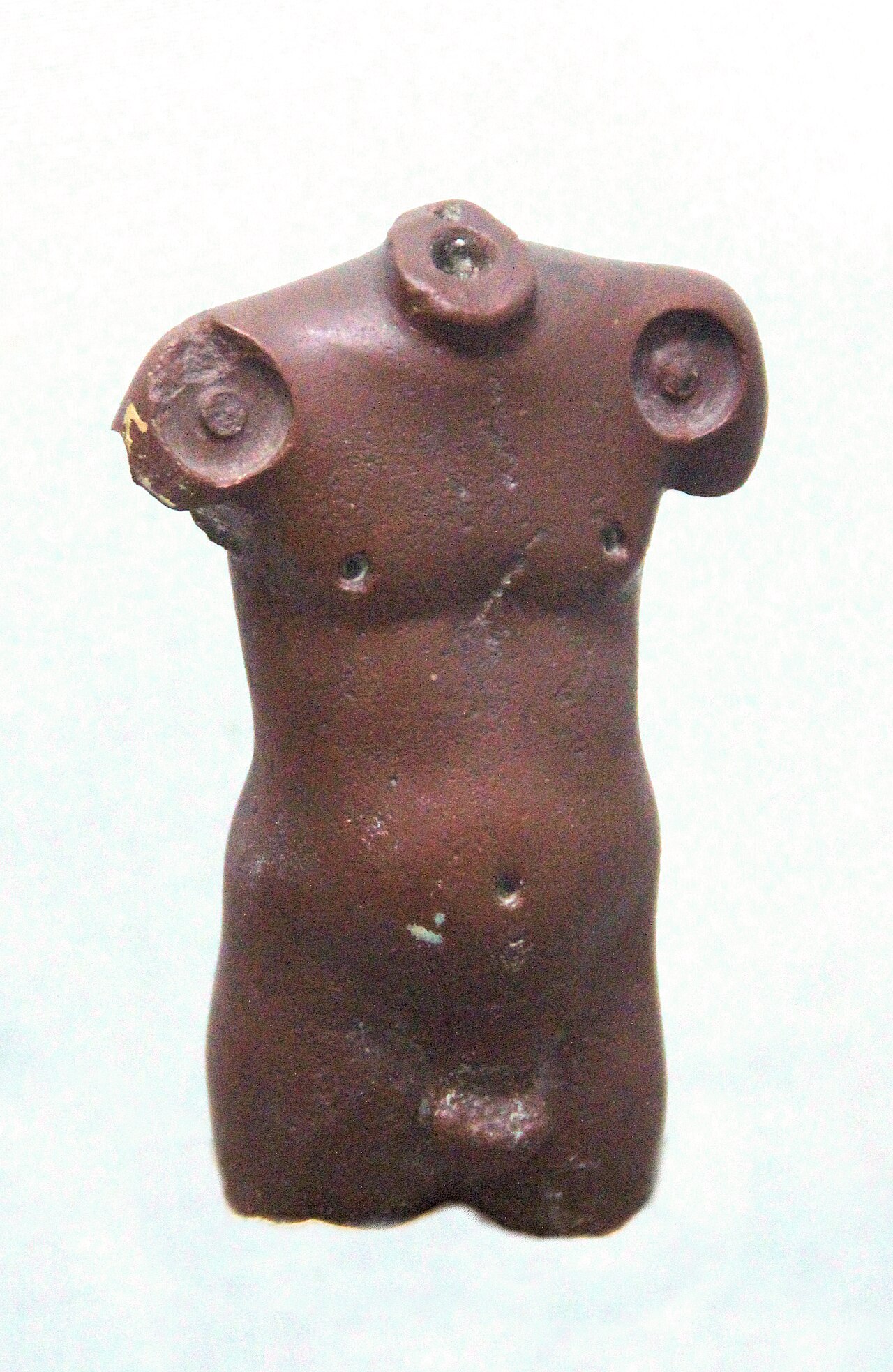
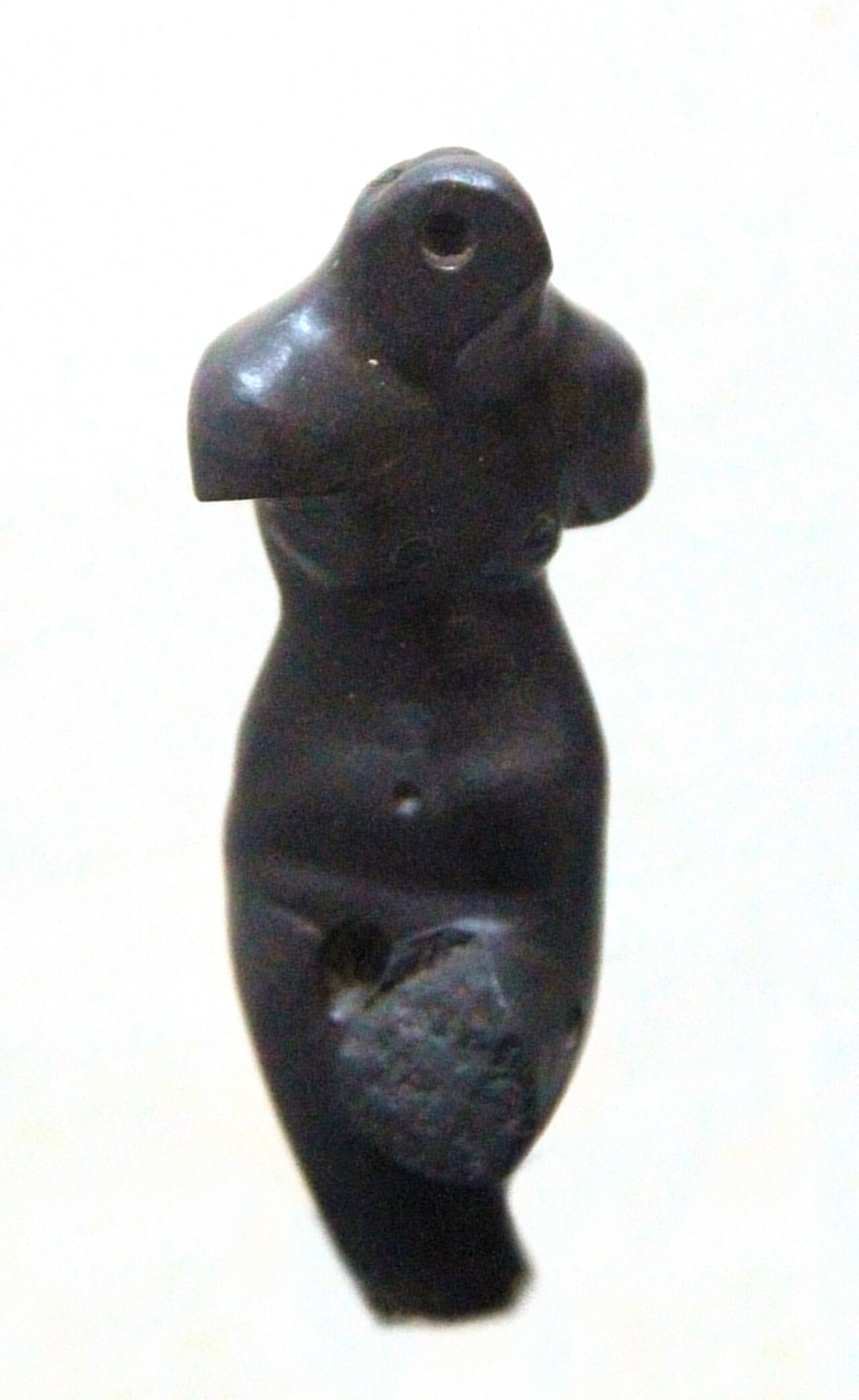
It had urban centres, drainage infrastructure, a diversified social and economic system and a possible writing system, and it was rediscovered in the 1920s alongside the excavations at Mohenjo-daro.
What there is to see
- Mound F
- The granary and great hall — the main standing structures on the site.
- The site museum
- Where the figures, seals and small finds are. Go here first.
- The modern village
- Less than a kilometre away, with its Raj-era railway station.
- Mohenjo-daro
- The other great Indus city, in Sindh — the pair make sense together.
- Sahiwal
- 24 km east, and as far as the distances here are measured.
When to go, and when not to
November to February. The site is low, excavated brick with no shade, in the middle of the Punjab plain.
Set expectations before going: much of the city is gone, carried away as railway ballast. What is left is the plan of it and what is in the museum, and that is still worth the drive.
Where this comes from
- Harappa — Wikipedia — The 24 kilometres west of Sahiwal and the Ravi's shift, the 23,500 population and 150 hectares in the Mature Harappan phase of 2600–1900 BC, the destruction for Lahore–Multan railway ballast, the modern village and its population, the 2004 tentative listing, the 2005 amusement park abandonment, and the Mehrgarh roots and 1920s rediscovery. Written from it, not copied; Wikipedia is CC BY-SA 4.0.
- OpenStreetMap — Road distances and driving times, via OSRM.